Startup ventures emerging from I-Corps teams welcomed a total of 119 new paid employees during the year. Alumni secured $16,617,873 in SBIR and STTR awards and raised $29,713,562 in capital to support research, commercialization progress, and long-term scaling.
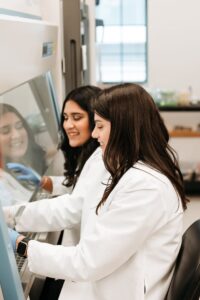
read moreI-Corps alum and University at Buffalo researcher Anna Blumental-Perry is advancing a novel therapeutic designed to rebuild damaged lung cells, a breakthrough that could significantly improve treatment for chronic respiratory…
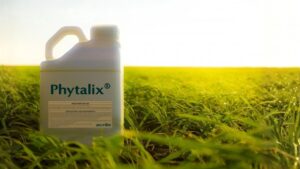
read moreAscribe Bioscience, an Ithaca, NY–based agricultural technology company, has closed a $12 million Series A financing round to support the commercial launch of its flagship biofungicide, Phytalix®.
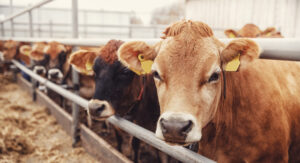
read moreThe Regenerative Agricultural Innovations, LLC (RAI), led by Dr. Matt Wilson, professor of animal sciences at West Virginia University (WVU), is helping make small farms in West Virginia more sustainable and profitable.
read moreBrite has developed a student support platform that uses behavioral data and predictive analytics to proactively identify at-risk college students and facilitate timely interventions. The company has raised over $650K in funding and has established partnerships with seven universities across the country.
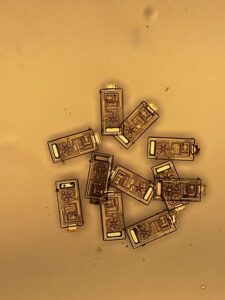
read moreI-Corps alumni company OWiC Technologies has been awarded a $2.35 million Fast-Track SBIR grant from the National Institutes of Health’s National Institute of General Medical Sciences (NIGMS).
read moreI-Corps alum Assurtek Surgical is commercializing the world’s first AI-powered dental drill technology.
read moreNanopath is developing molecular diagnostic platforms to detect viral, bacterial, and fungal pathogens using a single patient sample.
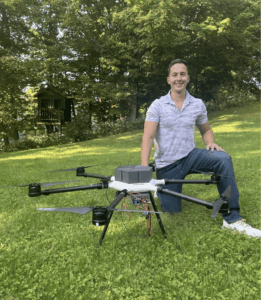
read moreAngelo Niforatos, a recent Syracuse University graduate with master’s degrees in engineering and business, used his NSF I-Corps experience to accelerate his startup, Niffy Drone Solutions.
read moreI-Corps alum Burlington Bio, a biotech startup spun out of the University of Vermont, was recently awarded a $305,000 Phase I SBIR grant from the NSF.
read more